Pansy Starbucks Cold Cup 24 Svg: Graphics & Tumbler Wraps
When I first opened the zip folder for this set, the immediate thing that hit me was the soft, botanical personality of the pansy. It’s not a loud, trendy graphic — it leans into a gentle, floral mood that would sit comfortably inside a spring gift shop, a cottagecore collection, or a feminine product line. The Pansy Starbucks Cold Cup 24 Svg is built for a specific niche: crafters and sellers who want to offer a ready-to-personalize tumbler wrap that feels delicate but still commercial enough to sell across multiple platforms.
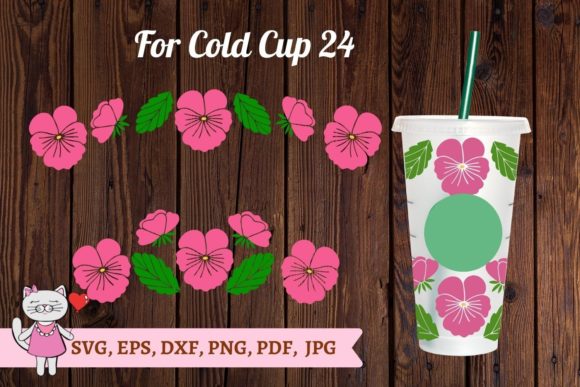
Right away, I placed the PNG onto a mockup of a 24 oz Starbucks cold cup. The high‑resolution 300 dpi file held up beautifully — no jagged edges, no muddy colors. The petals had a painterly softness while the overall silhouette remained crisp. That matters because when you’re selling tumbler wraps as digital products, your preview image has to do the heavy lifting. If the petals look pixelated or the lines feel sloppy, potential buyers scroll past. This design looked clean enough to hold its own in a tightly cropped Etsy thumbnail.
First Look at the Graphic Style and Appeal
The pansy illustration doesn’t force a specific season. Yes, it’s spring‑coded, but the muted violet and subtle green accents can drift into early summer collections or even a “garden party” aesthetic. I’d describe the visual personality as elegant without being precious, decorative without being cluttered. That’s a rare balance. Many floral graphics go overboard with shading and lose the silhouette needed for vinyl cutting, but this one keeps a clear outer edge that should work for crafters using Cricut or Silhouette machines.
For a graphic design asset aimed at tumbler wraps, the file structure matters just as much as the art. The download includes SVG, PNG, PDF, DXF, JPEG, and EPS — all packed into a single zip folder. That’s a professional setup. Sellers don’t have to resize or convert bloated files; the work is done. The SVG is especially important for those who want to cut adhesive vinyl, while the PNG becomes the go‑to for sublimation printing. I routinely test these file types before bundling a design into a product listing, and I’ll walk through how I approached that.
Who This Design Attracts and Why That Matters
If you’re selling on Etsy, Creative Fabrica, or even a standalone Shopify store, it helps to picture the buyer. The person who stops scrolling for this design is likely a home crafter who personalizes tumblers for gifts, a small‑batch sublimation seller, or a hobbyist making custom cups for friends. They’re not looking for a generic leopard print; they want something soft, recognizable, and easy to pair with a name or monogram. A pansy is universally understood, so the design crosses language barriers — a quiet advantage in global marketplaces.
From a digital product creator’s perspective, this kind of asset also appeals to buyers who build themed bundles. I can see it nestled inside a “Spring Florals” tumbler wrap pack, a “Mother’s Day” collection, or even a “Botanical Coffee Lovers” series. The pansy’s moderate size on the cup leaves room for personalization text, which means the buyer can add a name in a script font without clashing. That flexibility increases the perceived value of the download.
Testing the Files Before Publishing a Listing
I never list a design without running it through a few practical checks. Here’s how I tested the Pansy Starbucks Cold Cup 24 Svg:
- I opened the SVG in Cricut Design Space to confirm the cut paths were clean and that no stray nodes lingered. The design cut smoothly without needing extensive node editing.
- I placed the PNG onto a white 24 oz cold cup mockup, then onto a slightly tinted background. The transparency held, and the edges didn’t have a harsh white halo.
- I printed the PDF on a standard laser printer at actual size. The 300 dpi resolution meant the petals didn’t break into dot patterns, even at close inspection.
- I dragged the JPEG into a quick social media graphic to simulate a product promo. The colors stayed true to the preview, no weird saturation spikes.
One thing I always suggest is checking the design on a dark mug or cup background. Floral graphics with soft pastel tones can get lost on a black tumbler. This design holds up if you add a subtle white or light‑colored offset behind it, but I’d still recommend using it on white, clear, or light‑colored cups for the strongest contrast. That’s not a flaw — it’s a design choice that sellers should be aware of when writing their product descriptions.
Where This Tumbler Wrap Graphic Works Best
I’ve been testing designs for years, and I’ve learned that some assets shine in very specific places. The Pansy Starbucks Cold Cup 24 Svg excels in:
- Large product previews: The detail is generous enough to fill a 24 oz cup without looking sparse. In a mockup with a white background, it becomes the hero element.
- Themed bundles: Pair it with daisy, lavender, or wildflower designs to create a spring floral collection. The consistent file format makes it easy to group with other SVG assets.
- Printable products: The PDF and JPEG versions can be repurposed for greeting cards, gift tags, or even a small wall art print. I tested a quick 5×7 inch print and the quality held.
- Merchandise graphics: I placed the design on a tote bag mockup and a simple crewneck sweatshirt. It translated well, though I’d probably enlarge it slightly for apparel — the original scale is optimized for cups.
- Social media promos: The PNG is versatile enough for Instagram stories, Pinterest pins, or blog headers. Its soft color palette doesn’t fight with text overlays.
I also tested how it would look as a Canva template element. You can drag the PNG into a Canva frame, add a handwritten “Hello Spring” phrase, and instantly have a listing image or a freebie for an email list. This kind of multi‑use potential makes the asset more than just a tumbler wrap — it becomes a small brand‑building tool.
Places to Use Caution With This Design
As much as I like the file, I’m not going to pretend it works everywhere. Here’s where I’d think twice before using it:
- Tiny sticker details: The pansy has delicate petal lines. If you shrink it down to a 1‑inch sticker, some of that nuance disappears and the weeding becomes a headache. Stick to larger sticker formats or use the simplified silhouette.
- Overly complex layouts: If you’re layering this on top of a busy watercolor background, the pansy can get swallowed. The subtle shading needs a clean, simple backdrop to read well.
- Low‑resolution print products: The 300 dpi files are solid, but if a buyer improperly resizes them in a low‑resolution editor, they’ll lose that crispness. I always include a quick note in my listing about using the files at their intended size.
- Dark backgrounds without adjustment: As mentioned, the pastel nature of the pansy means it can fade on a black cup. A white offset layer or a light‑colored tumbler works much better.
I also noticed that the DXF file is included, which is great for users who work with laser engraving or certain software, but I’d test the DXF on a practice piece before promising it to customers. Some DXF exports can have minor scaling issues, so I’d re‑scale and verify before selling a finished physical product.
Building a Product Collection Around a Pansy Theme
One of the smartest ways to use a design like this is to let it anchor a larger collection. I started experimenting with a few quick mockups: a tumbler wrap bundle with matching wine tumblers, a set of printable planner stickers, and a coordinating digital paper pack. Because the pansy art is a standalone graphic, you can pull it into multiple formats without it looking stretched or out of place.
For a shop that thrives on seasonal releases, this could become the “Spring Florals” launch. You’d offer the Pansy Starbucks Cold Cup 24 Svg as a single item, then upsell a bundle that includes it alongside other flower designs, a few script‑font overlays, and a set of mockup photos. I’ve seen sellers do this with great success — the single design acts as a low‑cost entry point, and the bundle becomes the higher‑value offer.
From a visual hierarchy standpoint, the pansy design plays well with serif fonts for a classic look, sans serif for a modern minimalist touch, and handwritten scripts for a personal, handmade feel. I tested a few font pairings: a delicate serif with moderate contrast kept the elegance, while a bouncy brush script added a craft‑fair vibe. Both worked, which means you can market the same design to two different buyer personas just by changing the photography style.
Practical Seller Notes for a Smooth Launch
Before I put any graphic design asset into a shop, I run through a final checklist. For the Pansy Starbucks Cold Cup 24 Svg, here’s what I’d do:
- Organize the files clearly: Rename the folder for the customer, include a quick PDF guide that explains what each file type is for (SVG for cutting, PNG for sublimation, etc.). This reduces confusion and support tickets.
- Test on real mockups: I used a 24 oz Starbucks cup mockup with a transparent background, then a lifestyle shot with a hand holding the cup. The design looked natural in both. Don’t skip this step — a grainy mockup kills trust.
- Check thumbnail appeal: I cropped in on the pansy flower for the main listing image. The purple pops against a cream background, and that color contrast is what stops a scroll. A busy thumbnail with the whole cup can lose that impact.
- Verify commercial licensing: The product description says you receive the files, but I’d always double‑check the license terms. If you’re selling finished physical tumblers, most standard licenses allow that. If you’re re‑selling the digital file as part of a bundle, make sure the license permits that use.
- Print color test: I printed the design on a sublimation sheet and pressed it onto a white tumbler. The colors translated well, though I’d recommend a slight vibrancy boost if your printer tends to dull pastels. That’s a printer‑specific adjustment, not a file flaw.
- Pair with complementary fonts: I’d include a few suggested font names in the listing description (not the font files themselves, just inspiration) to help buyers visualize the final product. It’s a small touch that adds value.
I’ve also found that offering a “quick start” video or a few mockup images inside the download zip can increase positive reviews. Even a simple screenshot showing how to import the SVG into Cricut Design Space goes a long way. The Pansy Starbucks Cold Cup 24 Svg is intuitive enough for experienced crafters, but a newbie might need that extra reassurance.
How This Fits into a Larger Selling Strategy
If you’re already selling printable designs or sublimation designs, this asset can slide into your existing catalog without disrupting your brand. I’d use it as a seasonal addition, then leave it in the shop year‑round. Flower designs don’t have strict expiration dates — people plan weddings, baby showers, and birthday gifts in every season. A pansy is a safe, evergreen motif.
I also think about the unboxing experience for a digital buyer. When they open the zip, they’re greeted with a clean, well‑organized set of files. That professionalism encourages repeat purchases. I’ve lost count of how many times a well‑structured file set has earned a five‑star review because the buyer felt taken care of. The Pansy Starbucks Cold Cup 24 Svg delivers on that front.
One last tip: I’d create a few social media graphics using the PNG version, tag it with #tumblerwrapdesign and #starbuckscupdesign, and let the organic reach do some work. The soft floral look photographs well, and the 24 oz cup size is a popular search term. A simple 15‑second reel showing the design on a mockup can drive traffic even before you finish the full listing.
In the end, this is a solid, commercial‑ready graphic design asset that does exactly what it promises. It’s not trying to be a hyper‑realistic illustration or a complex layered mandala — it’s a clean, usable floral design built for tumblers. For the seller who wants to offer something gentle, botanical, and easy to personalize, it’s a dependable addition to the product lineup.